
2023-2025
PROJECT AND CONSTRUCTION MANAGEMENT
Promoter: Maskarada
Graphic and product design: Franziska Estudio
Building company: Construcciones Lansalot Hermanos and Decohogar
Photographs: Maria Azkarate
_
On the slopes of a hill near the town of Arruitz, in the north of Navarra, dozens of pigs roam freely. A postcard-like image, but in motion and without filters. These are specimens of an indigenous breed, known as Euskal Txerri, which was on the brink of extinction between the 1970s and 1990s, and thanks to the dedication and work of people like Amaia and José Ignacio, it has been recovered and revalued.
The adventure began in the late 1990s. José Ignacio, Joxi to his friends, acquired two female and one male Euskal Txerri or Pío Negro pigs with the aim of preserving the breed and embarking on a sustainable gastronomic project, covering everything from genetics and breeding to the transformation, marketing, and tasting of products derived from this pig.
This is how Maskarada was born, with its flagship being a shop-restaurant located in Lekunberri (Navarra), which has already been recognized by numerous gastronomic guides and recently received the Green Star from the Michelin Guide for its commitment to local and proximity products.
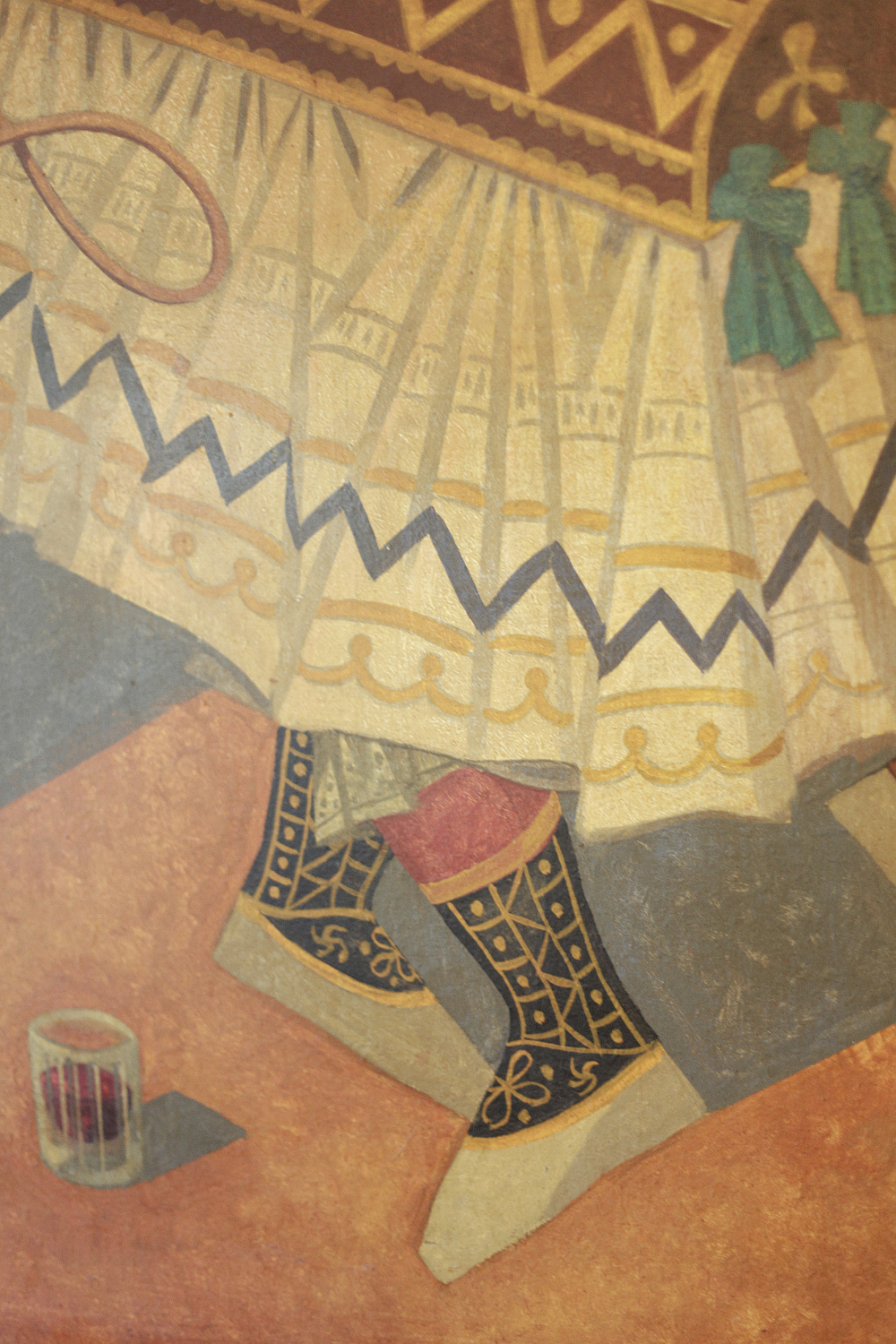
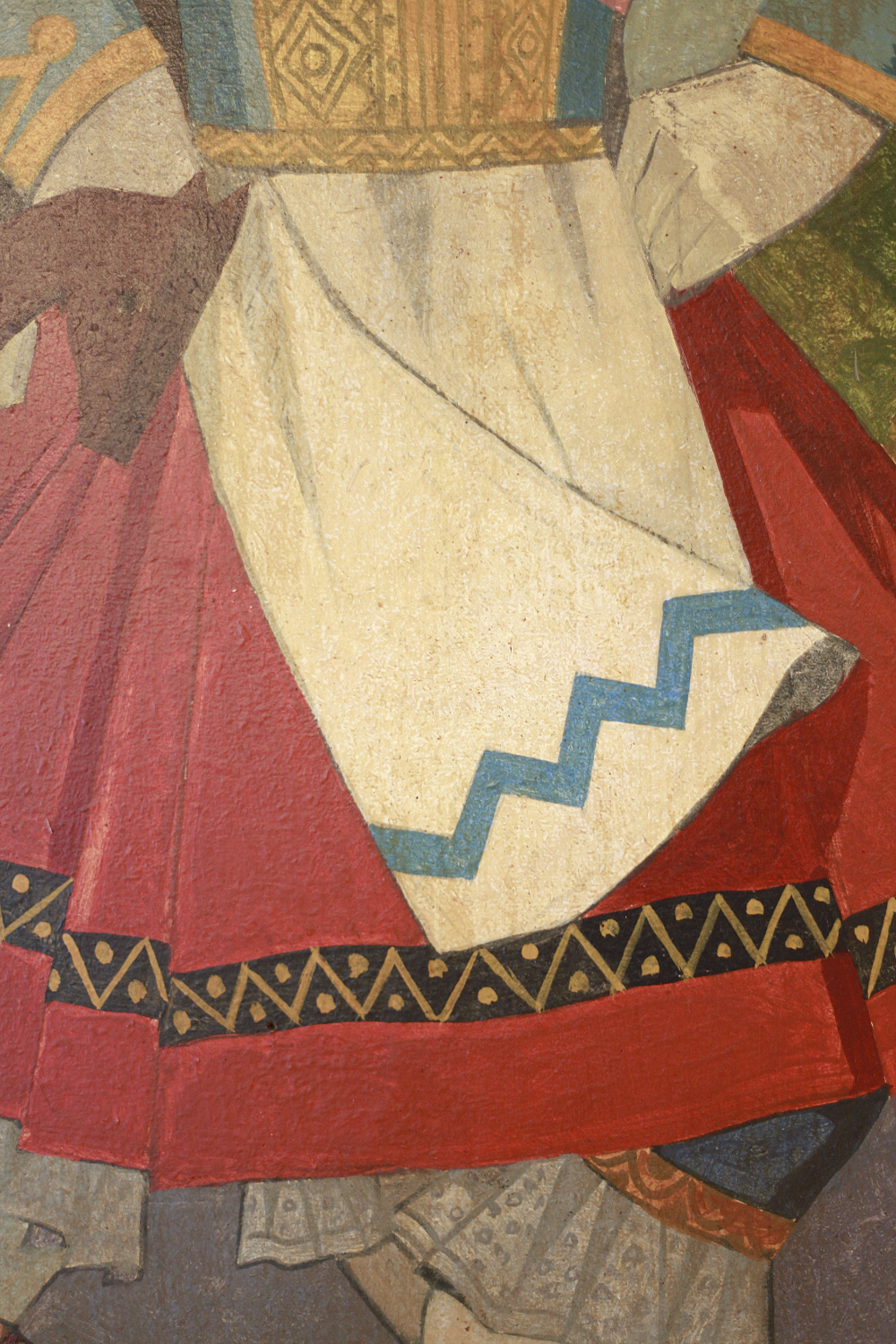
The name of the business comes from a painting that presided over the family’s former hospitality establishment for years and now occupies a prominent place on the main wall of the restaurant. The artwork, by painter Emilio Sánchez Cayuela “Gutxi,” represents a traditional celebration called Maskarada Suletina, which combines dance, singing, and theater, featuring typical characters from the Zuberoa (French Basque Country) carnival.
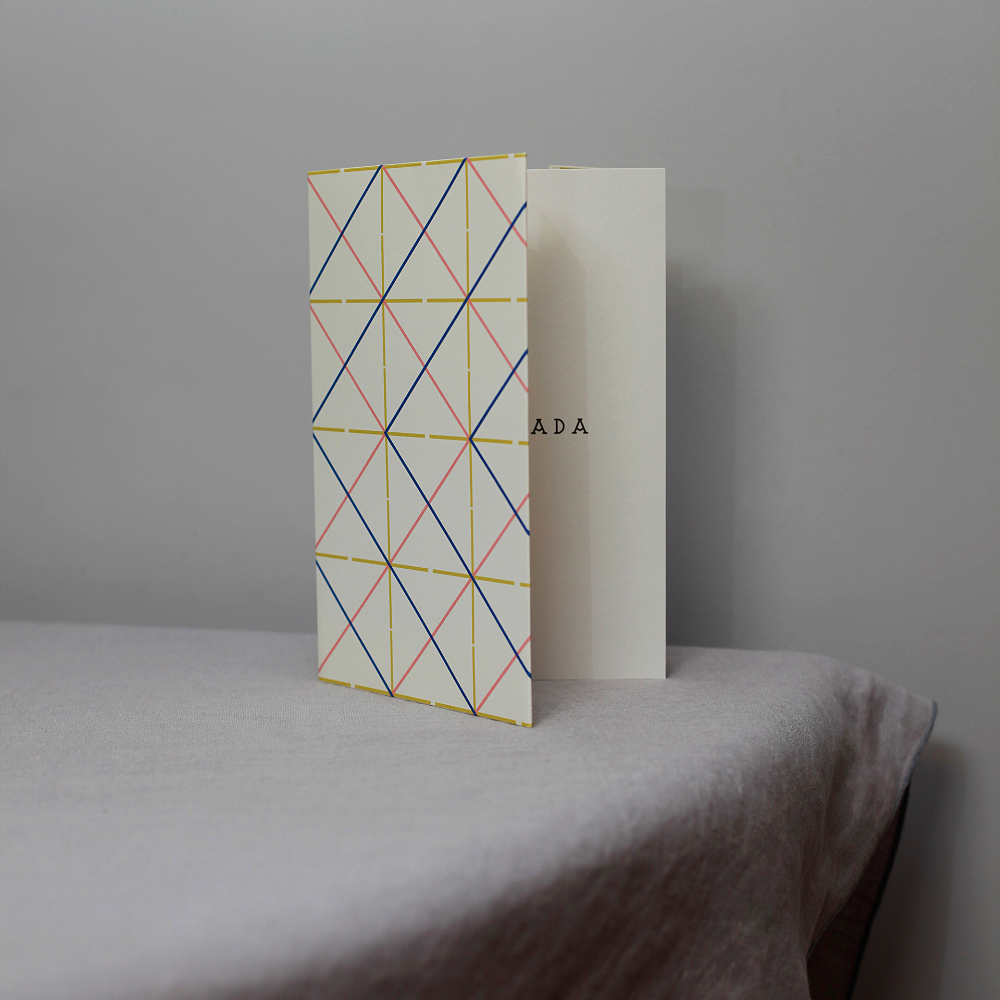
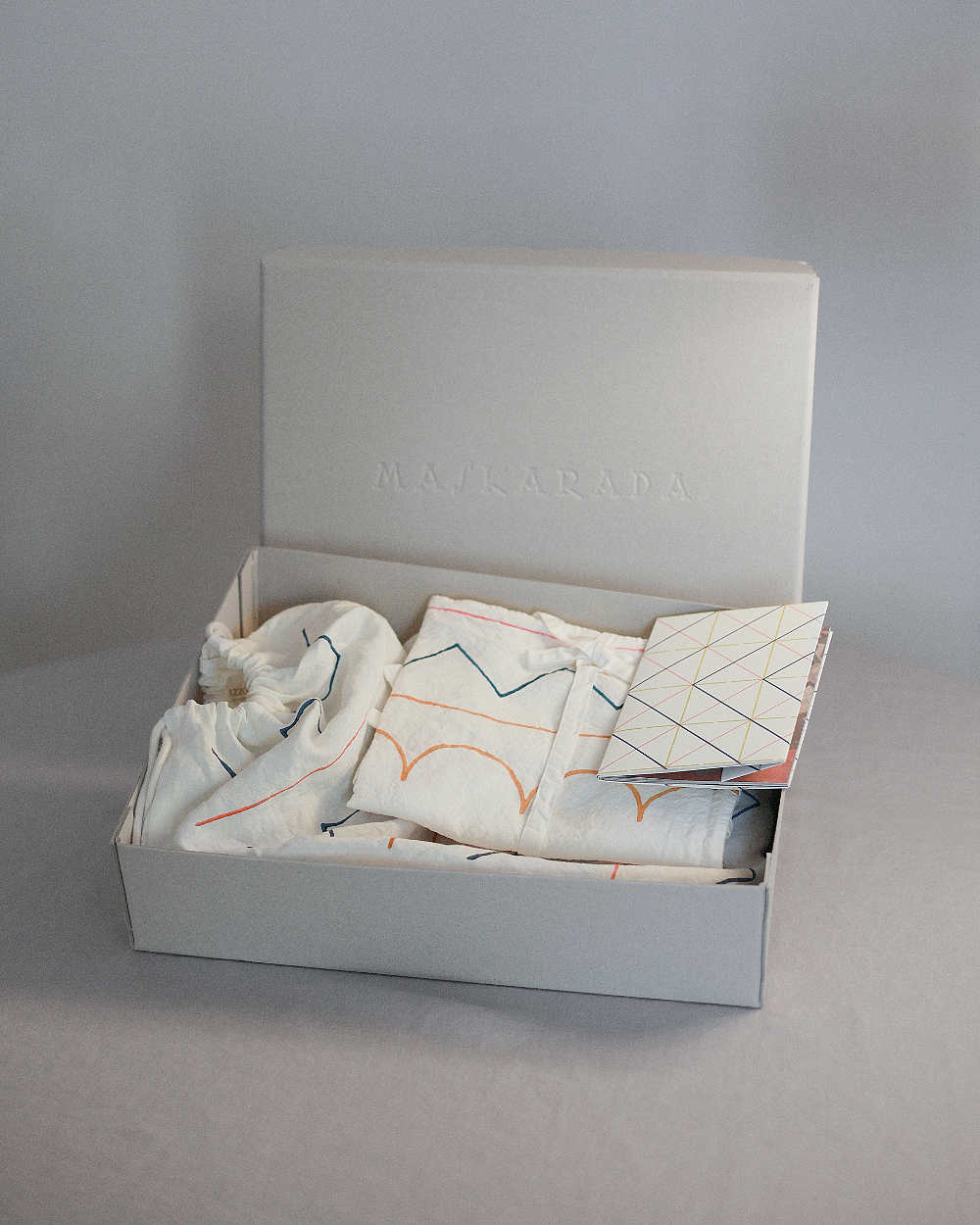
The geometric patterns and colors adorning the costumes and garments of this tradition served as the starting point to create the brand’s graphic universe. A design exercise that schematizes and abstracts these original motifs, adapting to numerous and varied media while always maintaining a symmetrical and harmonious interplay of lines.
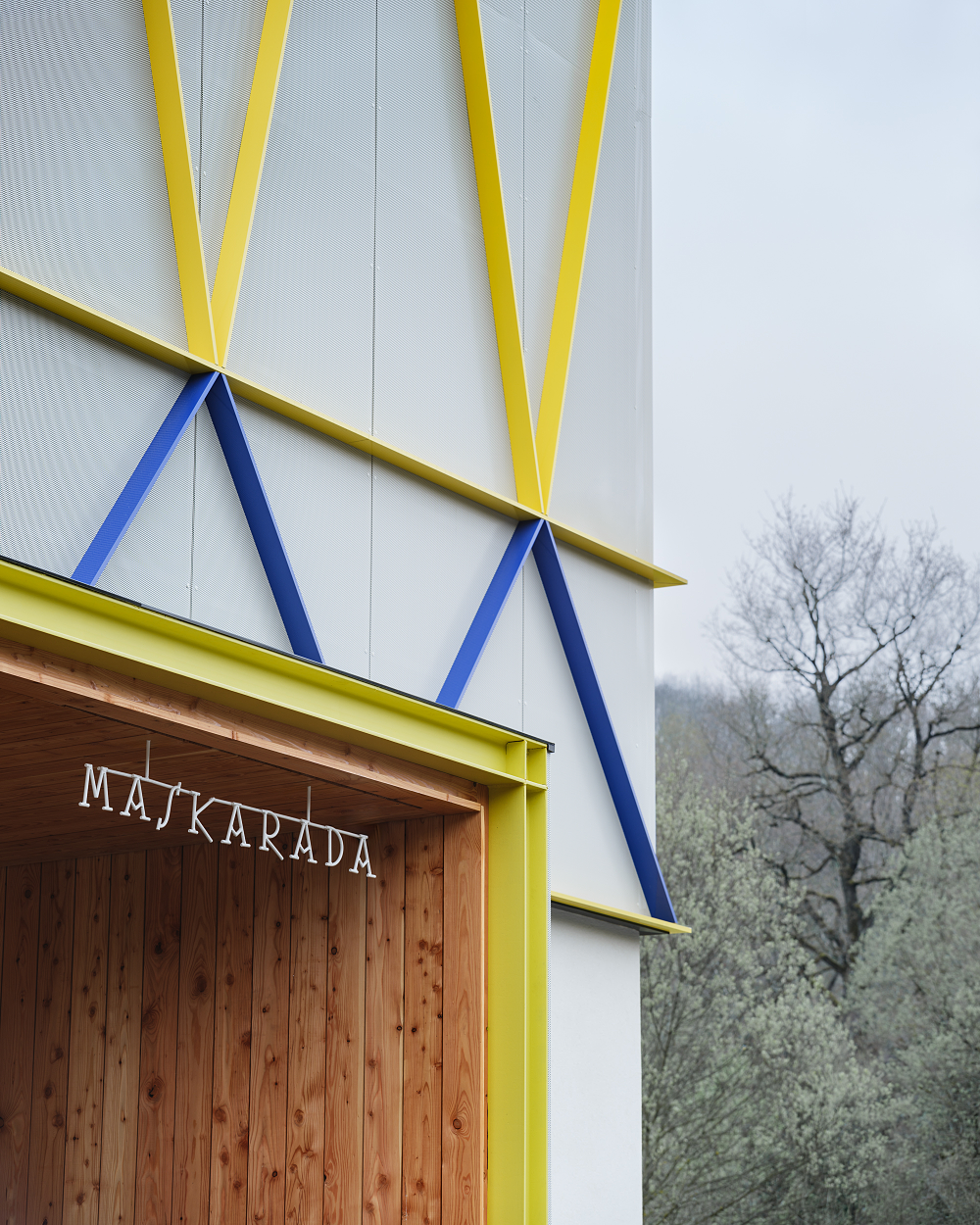
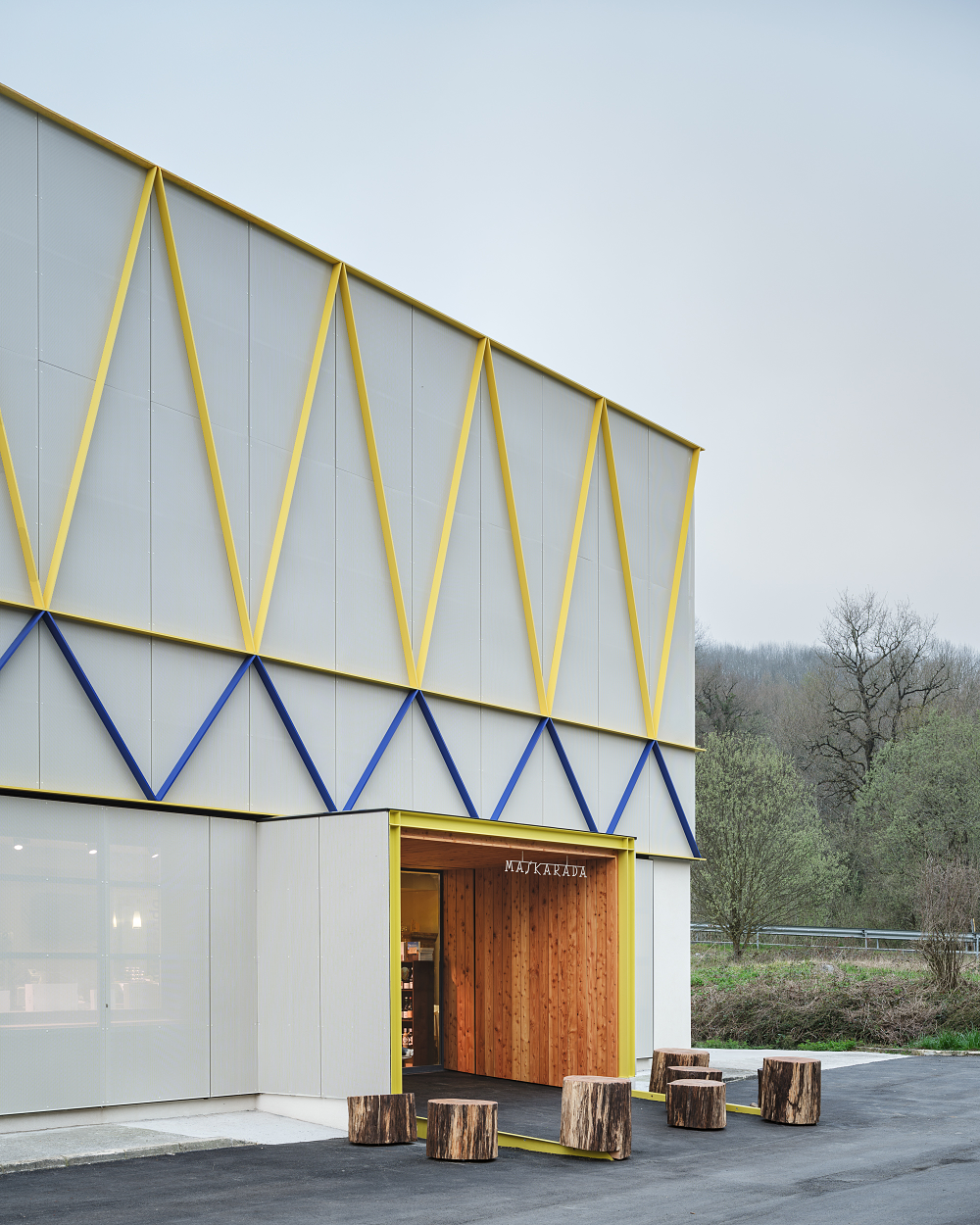
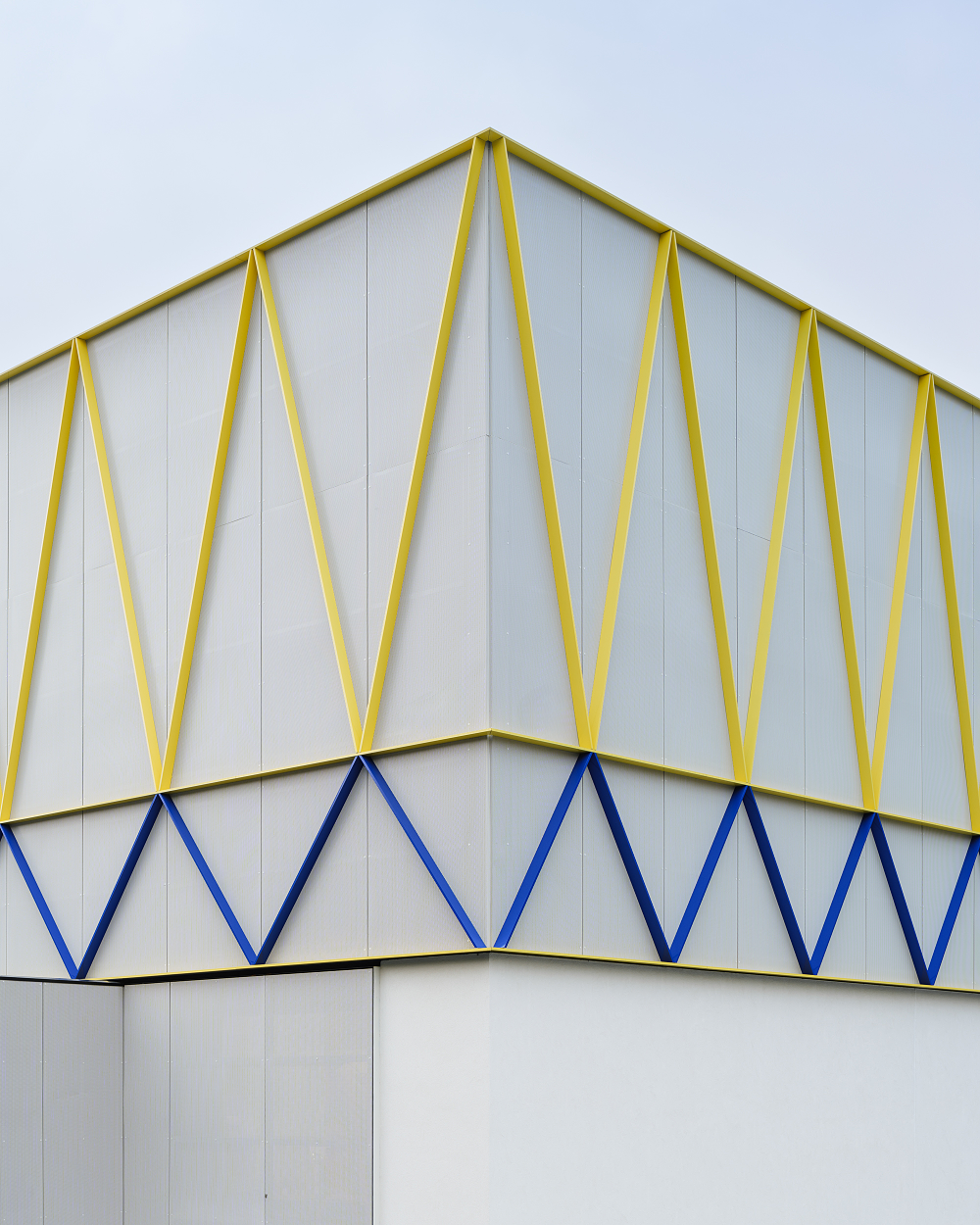
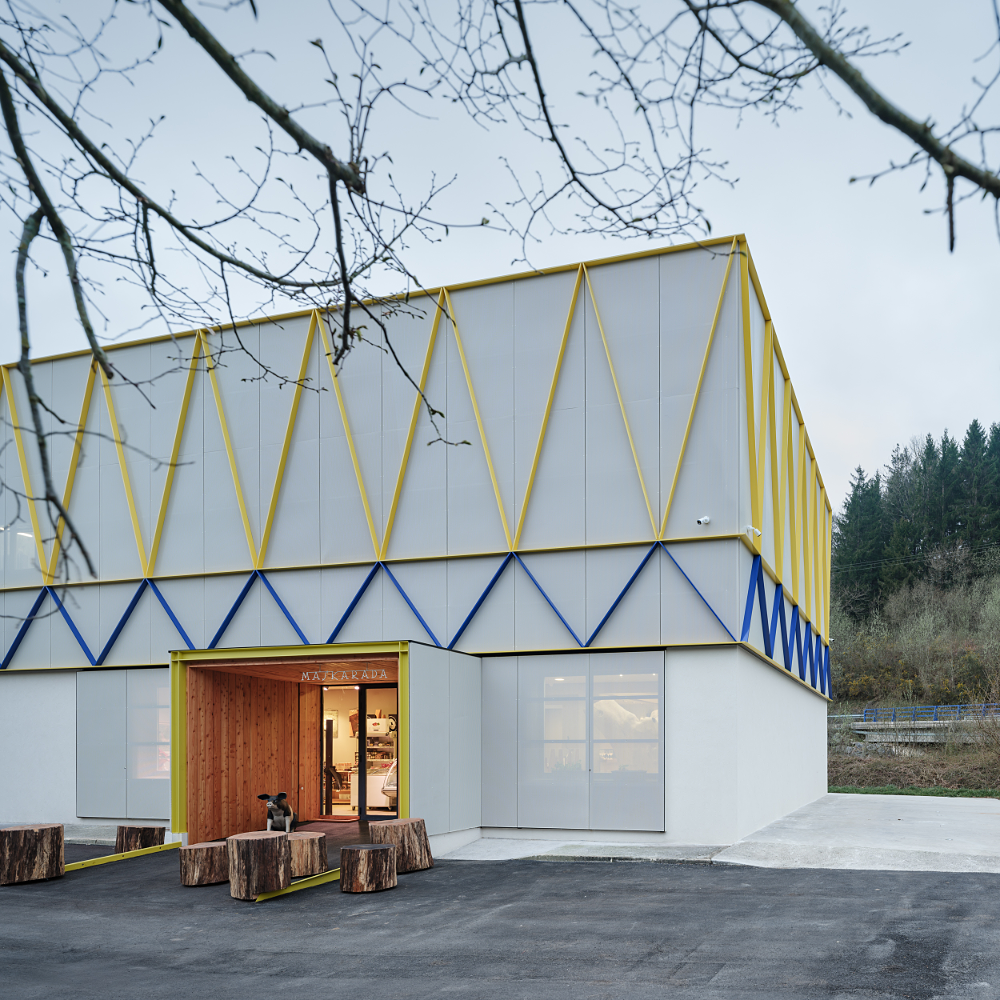
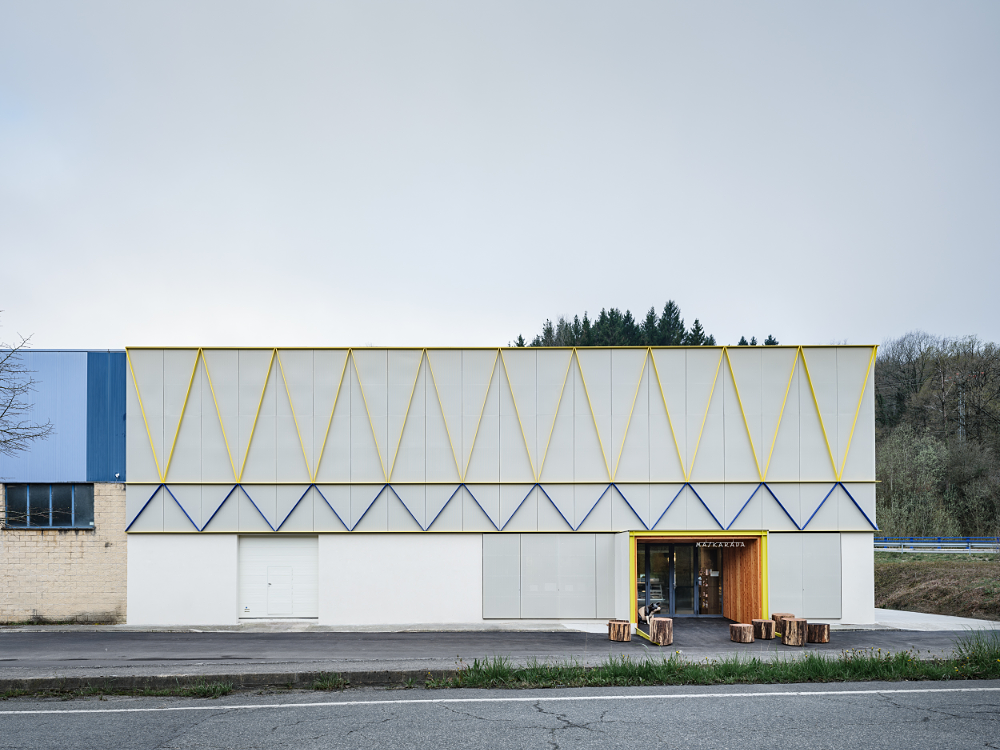
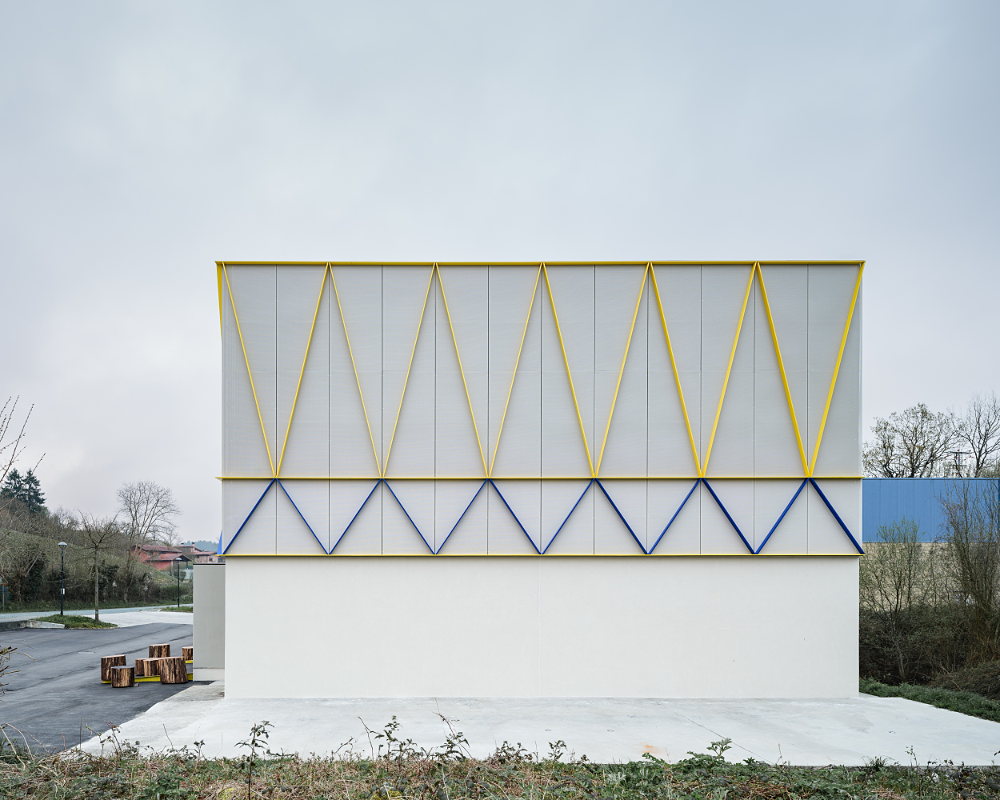
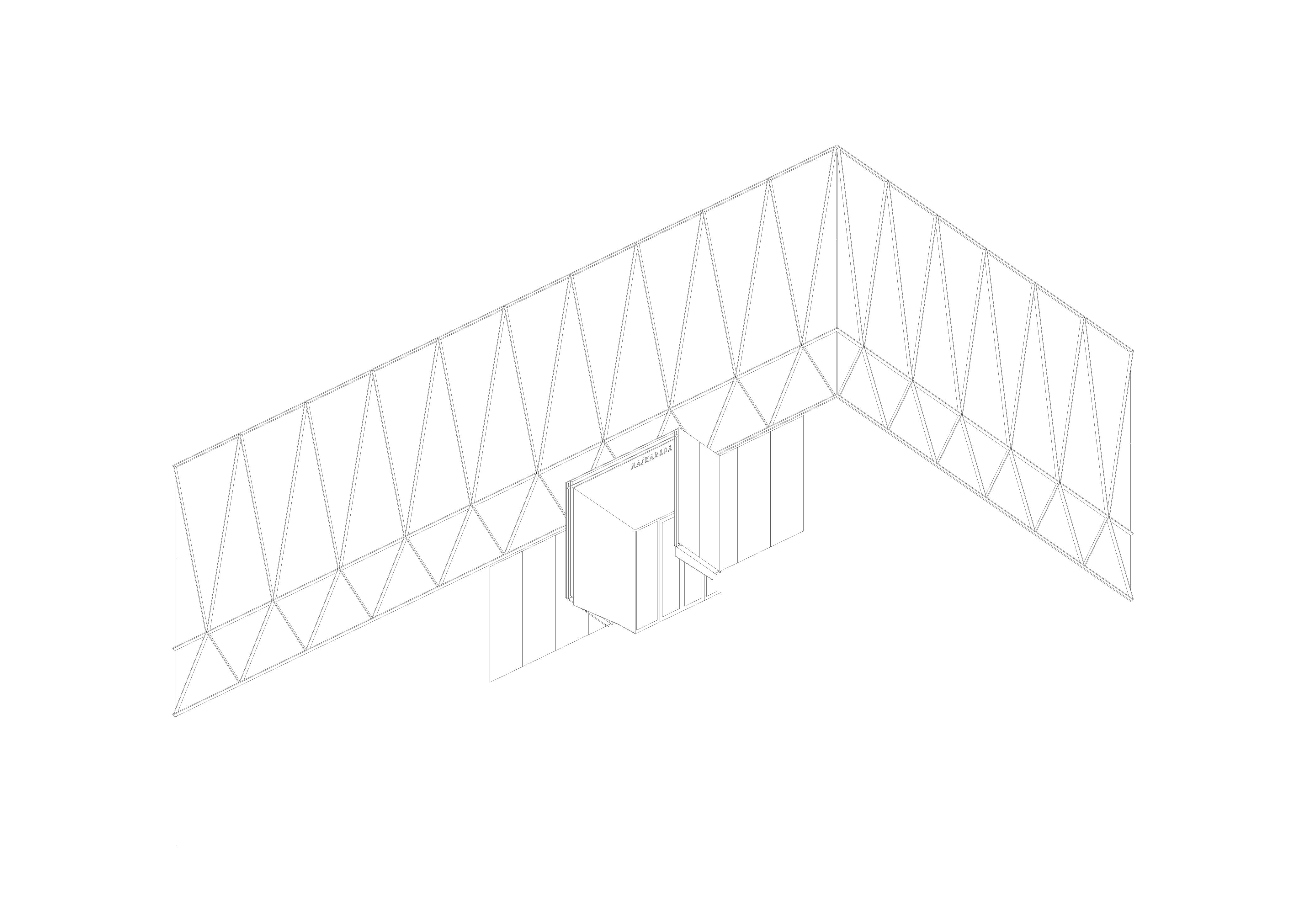
The most recent and significant brand application has been the architectural intervention at Maskarada’s headquarters. An exercise focused on the façades of the building that houses both the production of pork-derived products and the restaurant activity. The existing structure consisted of a warehouse located in an industrial area, with a generic appearance lacking connection to the brand’s graphic language.
This intervention provides the entire structure with a cohesive appearance, harmonizing seamlessly with the rest of the proposal. From a technical standpoint, it features a micro-perforated aluminum façade that creates a uniform canvas while allowing natural light to filter through the existing windows behind it. Colored aluminum profiles trace lines inspired by the skirts of the Zaldiko—one of the characters depicted in Sánchez Cayuela’s painting—crafting a façade reminiscent of a folk costume, akin to an additional textile element..
The restaurant entrance is highlighted by a structure clad in wood on the inside, flanked by a series of local oak logs that had been waiting for years in a nearby sawmill, creating a contrast with the geometric abstraction of the façade.
Maskarada continues to work on keeping its brand image up to date, whether in the packaging of each of its products, the store sign, a simple apron, or supermarket shelves. A constant renewal process that does not conflict with the purity of its origin. As one of the traditional Suletin songs says: “I am the same as always / I have not changed / I took you once into my heart / to love you.”